Crimson Desert Open World Explained (Map Size & Exploration)
Now that Crimson Desert has officially released, this guide has been updated with the latest information to help you get the most out of your playthrough.
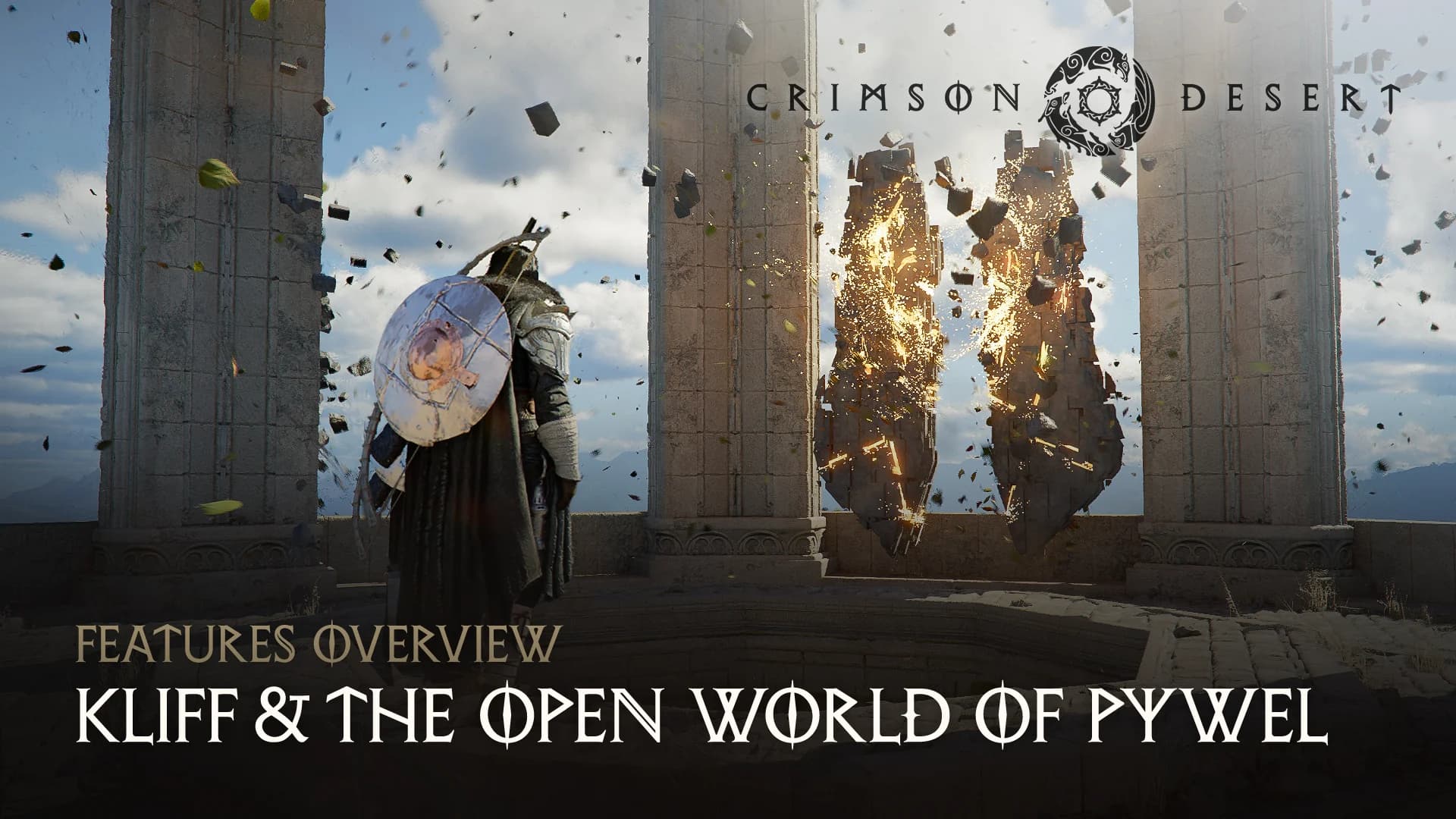
Crimson Desert offers a vast, seamless open world designed to provide players with immersive exploration, dynamic environments, and realistic interactions. Unlike traditional RPGs with segmented maps, this game emphasizes continuous traversal and player freedom.
The open world is a core pillar of the game's design, blending exploration, combat, and narrative progression into a single cohesive experience. For a complete understanding of how the world integrates with other systems, check out our comprehensive gameplay guide.
Map Size and Scale
While exact map dimensions haven't been officially disclosed, trailers and developer statements indicate:
- Expansive biomes including forests, deserts, towns, and fortresses
- Seamless travel between regions with no loading screens
- Terrain diversity that supports both on-foot and mounted exploration
- Vertical exploration with climbable structures and elevated vantage points
The world scale is comparable to other AAA open-world RPGs like The Witcher 3 or Assassin's Creed, offering dozens of hours of exploration and side activities.
Exploration Mechanics
Exploration in Crimson Desert is designed to feel organic and rewarding:
- Climbing and traversal: Players can climb, jump, and traverse vertical terrains
- Hidden locations: Secret paths and hidden areas encourage curiosity
- Environmental interaction: Obstacles, destructible objects, and physics-reactive terrain
- Mount system: Horses and other mounts facilitate faster travel across large distances
- Fast travel points: Strategic locations for quick navigation (expected)
These mechanics emphasize player agency, giving freedom to approach objectives in multiple ways. The exploration system ties directly into the game's combat mechanics, allowing players to use terrain advantages during battles. Understanding the weapon system and weapon rankings is also crucial, as different weapons perform better in different terrain types.
For beginners, our essential tips guide covers exploration strategies, while our hidden mechanics guide reveals environmental secrets many players miss.
Dynamic Environmental Features
The open world is not static. Official previews reveal:
- Dynamic weather systems affecting visibility and combat effectiveness
- Day-night cycles influencing NPC behavior and mission availability
- Reactive terrain: Environmental objects that respond to player actions
- Resource collection: Herbs, crafting materials, and loot scattered throughout the world
- Wildlife and fauna: Animals that inhabit different biomes
This approach ensures the world feels alive and responsive to the player's presence, creating a more immersive experience than static game worlds.
Points of Interest and Activities
Players can expect diverse points of interest, including:
- Main cities and villages with NPC interactions and quest hubs
- Dungeons and hidden caves with exploration rewards and boss encounters
- Faction territories influencing narrative progression and player choices
- Random world events adding unpredictability and replayability
- Landmarks and ruins providing lore and backstory
- Camps and outposts serving as rest points and supply stations
These locations are designed to encourage both story-driven and free-form exploration, rewarding players who venture off the beaten path.
Interaction with Story and Combat
The open world is tightly integrated with gameplay systems:
- Natural combat encounters: Battles can occur organically during exploration
- Story triggers: Player choices in exploration may unlock narrative events
- Environmental hazards: Terrain affects both movement and battle outcomes
- Strategic positioning: Using the environment for tactical advantages
This makes the world strategically important, not just visually impressive. The combat system is designed to take full advantage of environmental features, allowing players to use terrain, weather, and objects during fights.
Comparison to Other Open-World RPGs
Crimson Desert's open world approach shares similarities with:
- The Witcher 3: Dense world with meaningful side content
- Red Dead Redemption 2: Dynamic weather and realistic interactions
- Ghost of Tsushima: Seamless exploration with environmental storytelling
- Elden Ring: Freedom to explore and discover at your own pace
However, Crimson Desert aims to distinguish itself through advanced physics systems and more reactive environmental elements.
What Makes This Open World Unique
Several features set Crimson Desert's world apart:
- Physics-driven interactions: Objects and terrain react realistically to player actions
- Seamless integration: No artificial barriers between exploration, combat, and story
- Living ecosystem: NPCs, wildlife, and factions operate independently
- Consequence-driven design: Player actions have visible effects on the world
Final Analysis
Crimson Desert's open world promises depth, interactivity, and scale. The combination of seamless terrain, dynamic weather, and interactive mechanics aims to provide a living world that rewards exploration and enhances the overall narrative experience.
Players who enjoy AAA open-world RPGs with freedom to roam, engage in combat, and uncover secrets will likely find Crimson Desert's world highly compelling. The emphasis on environmental interaction and physics-based gameplay suggests this will be more than just a beautiful backdrop—it will be an integral part of the gameplay experience.
For a comprehensive analysis of whether the open world and other features make Crimson Desert worth your purchase, check our detailed review and buying guide. You can also watch our trailer breakdown to see the open world in action.
Frequently Asked Questions
How big is the Crimson Desert map?
While exact map dimensions haven't been officially disclosed, the world scale is comparable to other AAA open-world RPGs like The Witcher 3, offering dozens of hours of exploration across diverse biomes.
Does Crimson Desert have loading screens?
No. Crimson Desert features seamless travel between regions with no loading screens, allowing for continuous exploration across the entire game world.
Can you climb in Crimson Desert?
Yes. Players can climb terrain and structures, traverse vertical environments, and use elevated vantage points for exploration and tactical advantages.
Does Crimson Desert have dynamic weather?
Yes. The game features dynamic weather systems that affect visibility and combat effectiveness, along with day-night cycles that influence NPC behavior and mission availability.
What makes Crimson Desert's open world unique?
Crimson Desert distinguishes itself through physics-driven interactions, seamless integration of exploration and combat, a living ecosystem with independent NPCs and wildlife, and consequence-driven design where player actions affect the world.